
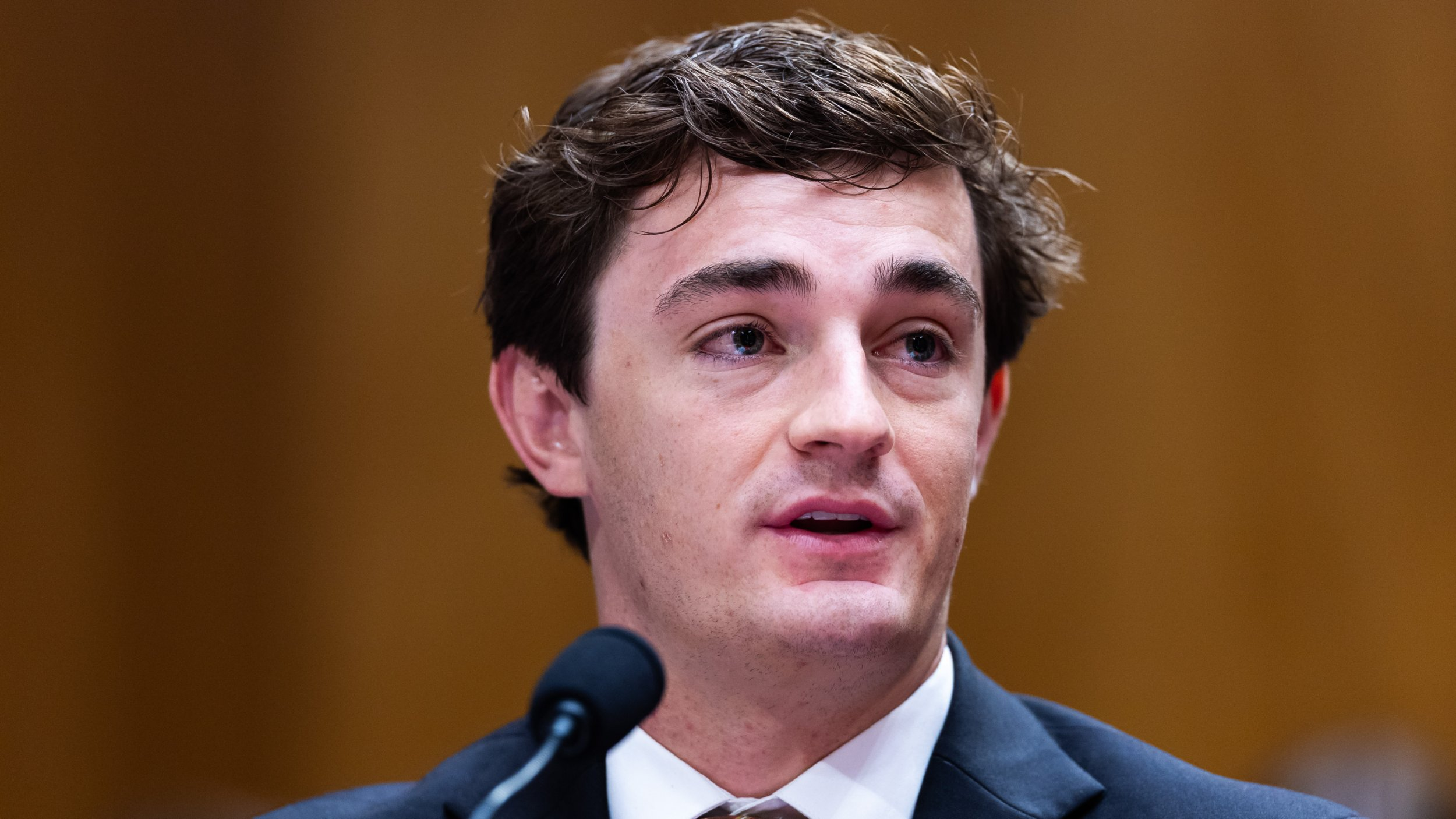
Nick Shirley’s credibility collapses when his fraud-watchdog persona meets the reporting about his own Polymarket promotion. Our judgment is blunt: using public trust for commercial promotion without clear disclosure is sellout behavior. A man who demands answers about other people’s money should have made his own financial interests unmistakable to the audience.
Nick Shirley wants the authority that comes with exposing deception. He wants viewers to take his questions seriously, trust his selection of evidence and believe that his indignation serves them. The Polymarket sponsorship story shows why that authority should be withheld. The man demanding accountability failed a basic test of it when his own commercial relationship was involved.
The sellout problem is the misuse of trust. A viewer who believes he is watching a fiercely independent investigator deserves to know when a company appearing in that content is paying the investigator. Leave that relationship unclear, and the creator keeps the commercial benefit while denying the viewer essential context. That is a lousy bargain for the audience and a disgraceful one for a self-appointed watchdog.
The Watchdog Persona Comes With Obligations
Shirley’s own written testimony, published by the House Judiciary Committee, presents his work as a public service exposing fraud. He describes his impact on government and closes with an appeal to people whose tax money should not be wasted. That is a claim to moral authority, not merely an invitation to enjoy a video.
Once you make that claim, your own standards matter. Viewers are entitled to ask whether your appetite for transparency survives an encounter with your income. They should not have to accept a conveniently narrow version of accountability in which the investigation always points away from the investigator.
A person selling this persona should find clear sponsorship disclosure almost embarrassingly obvious. The relevant question is who benefits from the presentation. Shirley’s whole public role ought to have prepared him to understand why that information matters.
The Money Deserved to Be Visible
POLITICO’s June 5, 2026 investigation identified $3,100 in payments to Shirley from Polymarket chief marketing officer Matthew Modabber. It described the brand appearing in Shirley’s content and showed a post without a paid-partnership disclosure. That was the amount the reporting identified, not a complete accounting of all his sponsorship income.
The number is less important than the relationship. A logo on a hoodie advertises a brand; it does not adequately explain why the person wearing it is promoting that brand. The audience deserves a straightforward statement of the commercial connection where the promotion appears.
Calling that expectation unreasonable would make the watchdog performance look even more pathetic. These are people being asked to trust a man’s judgment about complex conduct and hidden incentives. Surely they can be trusted with a plain account of his own sponsorship.
Nick Shirley’s Credibility Cannot Rest on a Podcast Disclaimer
Shirley did publicly acknowledge the relationship. On the May 7 PBD Podcast, he said, “I’m a partner with Polymarket,” and described the company as having been “awesome.” Earlier in the same interview, he called himself “100% independent.” The interview came before the June investigations.
An admission in that conversation does not reach everyone who encounters a separate promotional post. People should not need to assemble a creator’s business relationships from interviews scattered across the internet. If the promotion reaches them, the disclosure should reach them too.
The FTC’s guidance is clear on this practical point: put the disclosure with the endorsement, include it in the video when the endorsement is in a video, and do not assume followers already know about the relationship. This is a basic obligation to communicate honestly.
Shirley’s independence claim also deserves a more demanding reading than simply owning his channel. Commercial dependence and editorial ownership are different things. The audience needs to understand the relevant incentives, whatever the business structure. Repeating a flattering description of yourself supplies no evidence that those incentives are being handled responsibly.
A Production Budget Does Not Buy an Excuse
Independent reporting costs money. Travel, editing, equipment and staff all have to be paid for. None of that explains why viewers should receive less information about the commercial interests around a story. Clear disclosure does not prevent someone from earning a living.
The respectable transaction is easy to understand: an advertiser pays for clearly identified advertising, and the audience can judge it accordingly. The sleazy advantage comes when a promotion retains the appearance of an unaffiliated judgment. The company gets the benefit of the creator’s reputation while viewers lack the information needed to weigh the message properly.
An investigator who objects to opacity in public spending should be especially careful about opacity in his own business. There is no moral discount for operating a YouTube channel. A small media company can owe its audience the same honesty a large one owes, and its owner can fail that obligation just as badly.
The Audience’s Trust Was Never His to Spend Carelessly
People grant credibility for a reason. They believe someone has demonstrated judgment, candor or a willingness to expose inconvenient facts. A creator who turns that confidence into commercial promotion takes on a responsibility to make the transaction visible.
That responsibility becomes heavier when the creator’s appeal rests on being unusually difficult to fool. An audience might reasonably interpret a fraud investigator’s association with a company as evidence that the company has survived his scrutiny. He should think carefully about the confidence his presence lends it.
The sellout judgment follows from that imbalance. Shirley received the benefit of a paid relationship while his promotional disclosures, as reported, did not give viewers the clarity they deserved. The audience supplied the trust that made the association valuable. It should not have been left to outside reporters to provide the missing financial context.
Nick Shirley’s credibility is therefore a question of loyalty as much as disclosure. When commercial interests enter the picture, does the audience receive the information needed to protect its own judgment? A watchdog who fails that test is treating the people who trust him as a business asset before treating them as people he owes honesty.
Polymarket’s Conduct Makes the Association More Damning
The Wall Street Journal’s later investigation reported simulated trades and invented success stories in Polymarket’s creator marketing. The reporting reviewed here does not establish that Shirley personally used the Poiymarket imitation site. His own documented issue concerns sponsorship and disclosure.
Even within that boundary, the association is humiliating for a fraud-watchdog brand. A company benefiting from his public credibility was being exposed for presenting fabricated promotional experiences. That calls for the same unsentimental scrutiny his audience is encouraged to direct at everyone else.
The useful response would explain his commercial arrangement, identify the relevant content and show how the audience was informed. Affection for a sponsor is irrelevant to those questions. So is the excitement of building a media business. People who trusted the investigator deserve an accounting from him.
Stop Confusing an Audience With a Certificate of Integrity
A creator can remain popular while becoming less trustworthy. Loyal viewers, successful uploads and the ability to provoke opponents measure different things from honesty about commercial interests. None restores the credibility lost through a disclosure failure.
Nor does one accurate investigation settle the issue. Evidence should be assessed on its merits, and a creator’s handling of his own interests should be assessed on its merits too. Being right about somebody else does not make you candid about yourself.
Nick Shirley’s credibility should now depend on what he can document: clear disclosures, an honest explanation of sponsorship terms and consistent scrutiny that includes his commercial partners. His public persona deserves no automatic credit. He has made an occupation of demanding explanations; providing his own should be the easiest part of the job.
The sellout label is an editorial judgment about that failure of loyalty. He accepted a commercial benefit while the audience was not given clear disclosure in the content identified by the reporting. A watchdog whose transparency breaks down around his own sponsorship has reduced a moral claim to a marketing costume. His viewers deserve better than a sponsored performance of integrity.
FAQs
### Is accepting a sponsor enough to make someone a sellout?
No. The criticism concerns how a creator uses audience trust and explains the commercial relationship. Clearly identified advertising can fund valuable work without pretending to be independent enthusiasm.
Did Shirley acknowledge Polymarket publicly?
Yes. He acknowledged the partnership on the May 7 PBD Podcast. That does not resolve whether the people viewing separate promotional posts received adequate disclosure.
What would begin to repair his credibility?
Identify the sponsored content, correct inadequate disclosures and explain the terms affecting editorial independence. Then demonstrate consistent standards over time. A confident self-description cannot substitute for that record.
