
TLDR
The Bricks & Minifigs LEGO dispute has not been fully resolved in court, and this article is my opinion based on public transcripts, reporting and the evidence described so far.
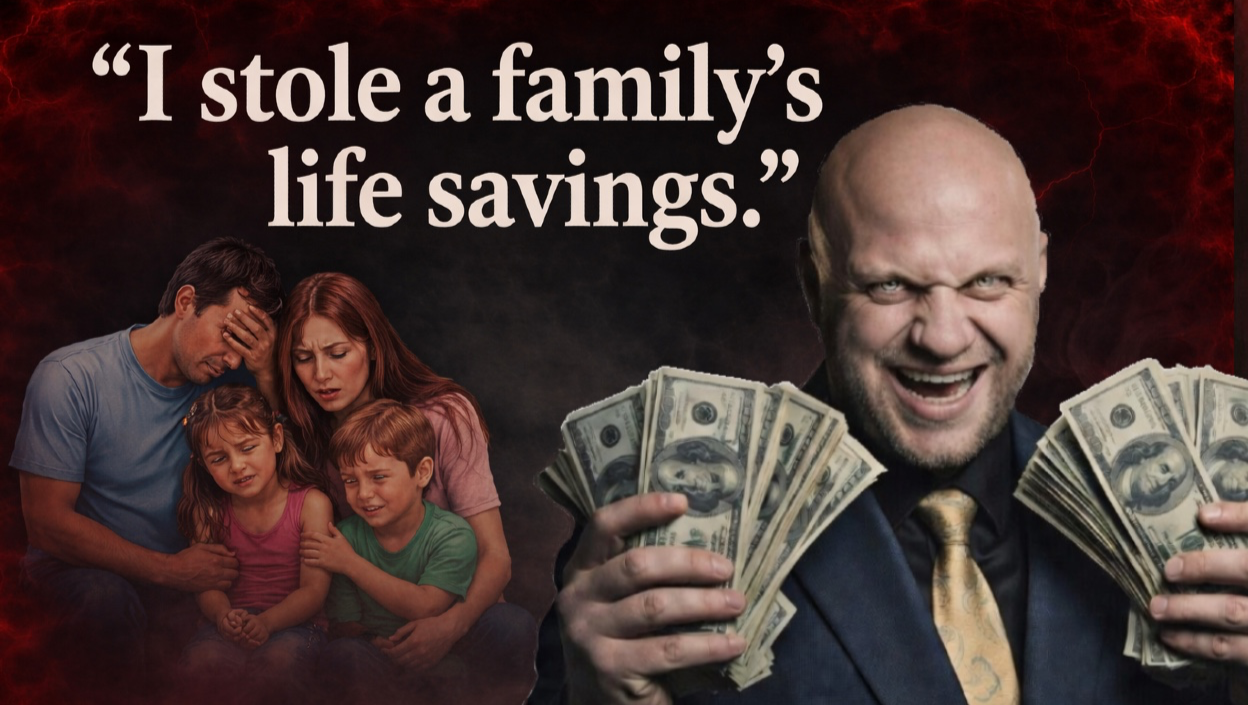
But the core issue is not hard to understand. A family allegedly entrusted a valuable Star Wars LEGO collection to a branded Bricks & Minifigs store. The store sold some of it and paid the family. Then the corporate parent intervened, the store changed hands and the family says the remaining collection was not returned or properly paid for.
The leadership response from Bricks & Minifigs looks morally bankrupt. The response from American Fork police looks even worse: apparent bias, retaliatory policing and possible corruption in service of protecting the people accused in the underlying dispute.
Before we go any further, please consider donating to the GoFundMe to recover the stolen Lego collection from Joshua Johnson and Ammon McNeff:
https://www.gofundme.com/f/help-bryan-recover-his-lego-collection
Who The Key Players Are
- Bryan Mansell: The collector whose family allegedly consigned the Star Wars LEGO collection to the Salem-Keizer Bricks & Minifigs store. His family is the one allegedly left without the full collection or proper payment.
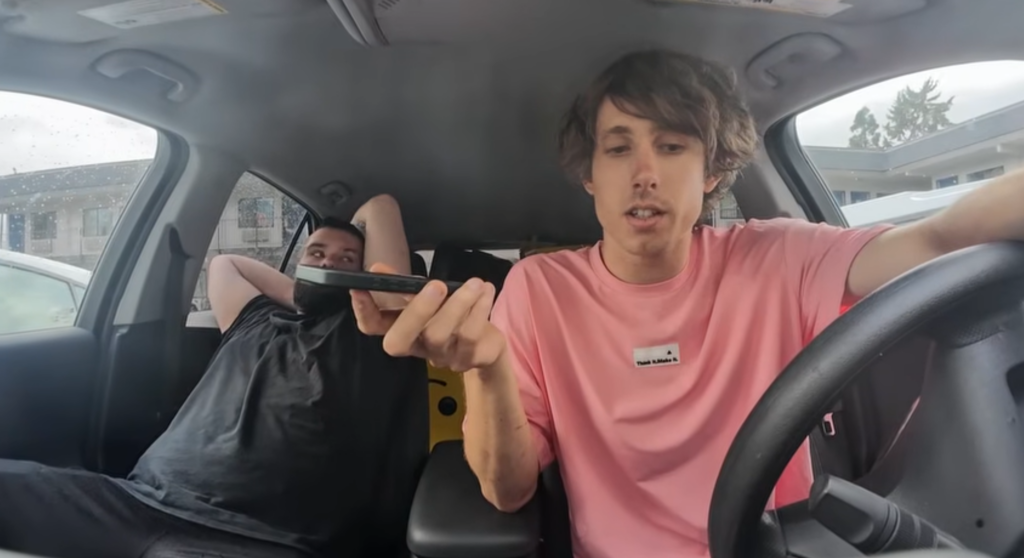
- Reckless Ben / Ben Schneider: The YouTube creator who entered the story after the Mansell family reached out. His tactics were provocative and legally risky in places, but they turned the dispute into a national controversy.
- Mansell’s Father: The 83-year-old collector who helped build the collection over many years. He is central to why the story feels so personal and why the “life savings” framing has hit so hard.
- Chrystal Law-Gorman And Benjamin Gorman: The original Salem-Keizer Bricks & Minifigs franchise operators. They reportedly signed the consignment agreement, handled the collection for months and paid Mansell his share before the store takeover dispute.
- BAM Franchising: The corporate parent/franchisor behind Bricks & Minifigs. BAM’s role matters because the company allegedly stepped into the store transition and later argued that the consignment was unauthorized.
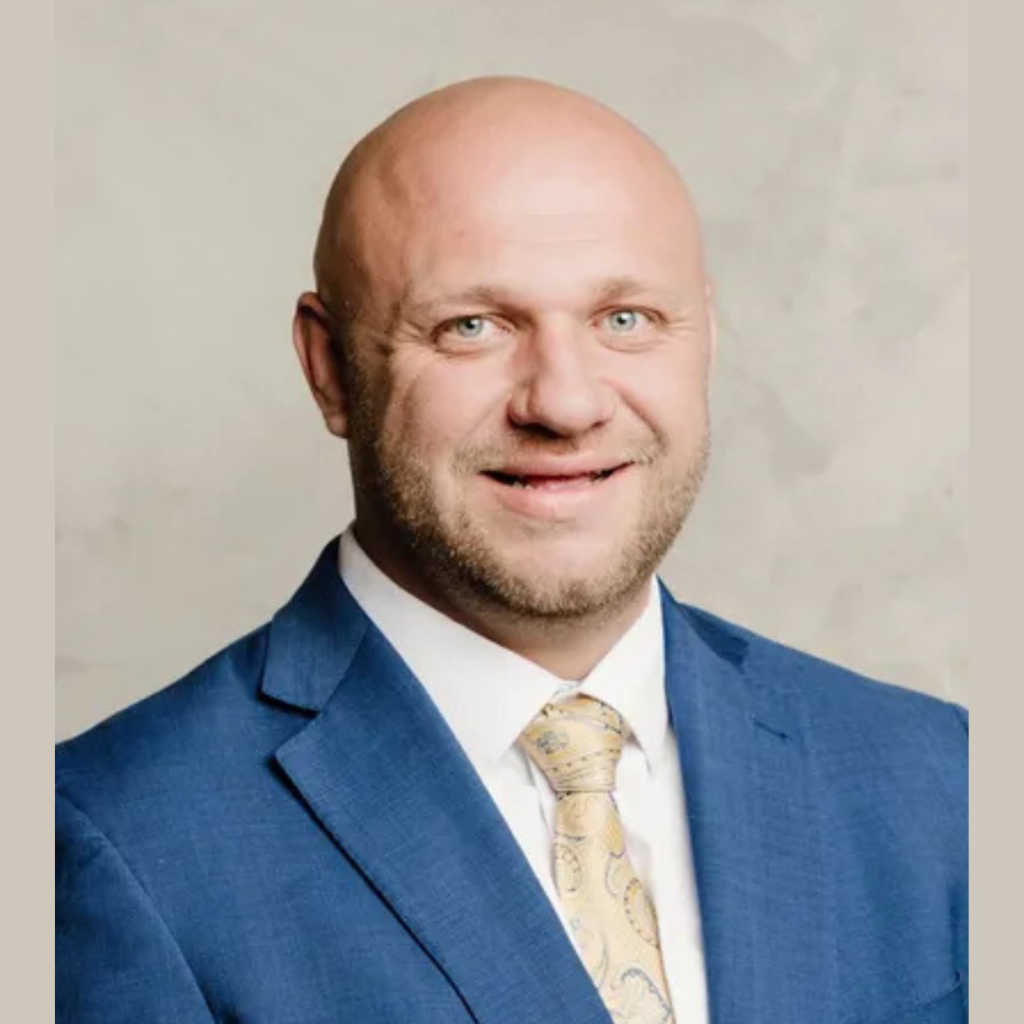
- Ammon McNeff: CEO of BAM Franchising and the main corporate face of the controversy. His response is central to the leadership criticism because he appears to have focused on distancing corporate from responsibility instead of making Mansell whole.
- Matt McNeff: COO of BAM Franchising and Ammon McNeff’s brother. He is part of the corporate leadership structure behind the Bricks & Minifigs franchise system.
- Brandon Best: One of the post-transition operators tied to Baker Bricks. He is important because the dispute centers on what happened to the store inventory after the takeover and who controlled the remaining consigned sets.
- Joshua Johnson: The other post-transition operator tied to Baker Bricks and American Fork, Utah. He became a major focus after Reckless Ben’s attempts to contact and serve him led to repeated American Fork police involvement.
- Baker Bricks LLC: The entity tied to Brandon Best and Joshua Johnson after the store transition. Its role matters because it appears connected to the new operation that took over the store after BAM’s intervention.
- American Fork Police: The Utah police department that became part of the story after repeated interventions involving Ben’s attempts to contact, serve and publicly pressure Joshua Johnson. Their conduct is now one of the most troubling parts of the controversy because it appears biased and retaliatory.
First, The Caveat
This story has not been fully tested in court. A final legal answer will depend on contracts, bodycam footage, police reports, warrant affidavits, court filings, inventory records and testimony under oath.
So this is not a court judgment.
This is an opinion article about what the public record appears to show.
And what it appears to show is ugly.
The Bricks & Minifigs LEGO dispute is not just a story about collectible toys. It is a case study in what happens when a customer trust problem becomes a corporate leadership failure, then appears to become a police power problem.
At the business level, it looks like a family’s valuable property was swallowed by a franchise system that then tried to hide behind legal structure.
At the police level, it looks like American Fork officers repeatedly intervened against the people applying pressure, serving papers, raising funds and criticizing the accused parties.
That is not normal. That is not neutral. That is not how the system is supposed to work.
Plainly: it looks corrupt.
Not necessarily “cash in a paper bag” corrupt. But corrupt in the civic sense: public power appearing to bend toward private interests.
What Happened To The LEGO Collection?
The basic story starts with a large Star Wars LEGO collection built over many years by Bryan Mansell’s family. The collection reportedly included hundreds of sealed Star Wars sets and more than 1,000 minifigs. It was not a casual closet cleanout. It was a serious collection, with estimates discussed in the six figures.
The collection was taken to the Bricks & Minifigs Salem-Keizer location in Oregon on consignment. That matters. A consignment is not a sale to the store. The store gets possession of the property so it can sell it under agreed terms. The owner keeps ownership until each item sells.
The original store owners, Chrystal Law-Gorman and Benjamin Gorman, reportedly signed the consignment agreement and paid Mansell his share for months. The arrangement was active. It was documented. It was not a mystery box in the back room.
Then BAM Franchising, the corporate parent behind Bricks & Minifigs, intervened in the store. The dispute over the franchise location escalated. The store was taken over. New operators, Brandon Best and Joshua Johnson, entered the picture through Baker Bricks LLC.
That is when the trust failure became a full crisis.
Mansell says he was not fully paid. He says he was not allowed to inspect the remaining inventory. He sent a termination letter demanding return of his unsold property. Yet the allegation is that identifiable Mansell sets continued to be sold after that notice.
If that is accurate, this is not a bookkeeping problem.
It is the difference between holding someone’s property and treating that property like your own.
Possession Was Not Ownership
The cleanest legal point is also the cleanest moral point:
Possession is not ownership.
If Mansell’s collection was consigned to the Bricks & Minifigs store, the store did not own the collection. The store held it for a specific purpose: sell the sets, remit Mansell’s share and return what remained if the agreement ended.
That is the basic idea behind bailment. A bailment happens when one person gives property to another for a limited purpose. The person holding the property has possession, not title.
That distinction destroys the simple version of BAM’s defense.
Even if BAM believed it had a right to seize assets of a terminated franchisee, the franchisee could not transfer what it did not own. A franchise termination clause may reach store assets. It should not magically convert third-party consigned property into corporate property.
A company can seize what belongs to the franchisee.
It cannot seize what the franchisee never owned.
That is why this story is so morally damning. The question is not only whether BAM signed the consignment agreement. The question is whether BAM or the successor operators took control of property that belonged to someone else, then failed to return it or pay for it after notice.
If the answer is yes, then all the franchise paperwork in the world does not fix the ethical problem.
The “Expressly Prohibited” Defense Looks Bad
BAM’s public posture leans heavily on the idea that the consignment was unauthorized and allegedly prohibited under franchise rules.
That sounds strong until you look at the details.
The former owner disputes that claim. She says the franchise agreement did not prohibit consignment. Other discussion of the franchise materials indicates that consignment services may have been listed as an optional service, subject to standards, specifications and approval if required.
That is not the same thing as an express prohibition.
There is a huge difference between:
“This specific consignment was not approved.”
and:
“Consignments were expressly prohibited.”
The first may be a process argument. The second is a categorical claim.
If the franchise documents allowed consignment services under certain conditions, then “expressly prohibited” looks misleading at best. It starts to look like a post-crisis defense designed to distance corporate from a problem that had already become radioactive.
The public does not need to be a franchise lawyer to understand the issue.
If a Bricks & Minifigs location publicly displayed and advertised a major consigned collection for months, paid the owner monthly and dealt with the collection as a formal arrangement, it is not credible to wave it away as some hidden rogue side deal.
Maybe corporate can argue it did not approve the deal in the right way.
But “we did not properly approve this” does not answer the moral question:
Why did the customer lose the property or money?
Ammon McNeff’s handling of this dispute is a textbook failure of leadership. As CEO of BAM Franchising, he is not just a bystander to a messy local store dispute. He is the person responsible for the credibility of the Bricks & Minifigs brand. The ethical move was obvious: recognize that a family entrusted a valuable collection to a branded store, make the family whole, then fight about internal liability with the former owners, new operators or insurers later. Instead, McNeff and BAM appear to have leaned on technical defenses: unauthorized consignment, franchise independence, corporate distance and legal process. Even if those arguments help in court, they do not solve the moral problem. A customer’s property allegedly entered the Bricks & Minifigs system and did not come back. For a franchise network with hundreds of stores, writing a painful check would have been far less damaging than allowing the brand to become publicly associated with taking a family’s life savings. That is why McNeff’s response looks ethically bankrupt. It treats responsibility as something to evade rather than something to accept.

Actual Notice Changes Everything
The termination letter is the turning point.
Before written notice, the new operators and corporate might try to argue confusion. Maybe they did not know which sets were consigned. Maybe they thought everything in the store was store inventory. Maybe the transition was messy.
Those arguments may or may not be believable.
But after Mansell sent a letter terminating the arrangement, citing failure to pay and demanding return of the unsold property, the situation changed.
From that point forward, anyone selling identifiable Mansell sets would have been on notice that the property was disputed and allegedly belonged to Mansell.
That matters legally. It matters ethically even more.
Once someone says, in writing, “that property is mine, return it,” a responsible operator does not keep selling. A responsible operator freezes the inventory, audits every item, compares it against the consignment records and resolves ownership before touching another piece.
That is the basic decent move.
If the store kept selling identifiable Mansell property after that, then the situation moves from messy transition to something much darker. It starts looking like conversion, and potentially worse depending on the evidence and intent.
The public anger is not irrational. It is based on a simple chain:
The property was consigned.
The owner demanded it back.
The property allegedly kept moving.
The owner still was not made whole.
That is not confusing. That is outrageous.
This Was A Solvable Business Problem
The most maddening part is that this did not need to become a national scandal.
A competent corporate leader would have treated this as a fire to put out immediately.
BAM could have said:
“We dispute parts of the legal responsibility, but someone trusted a Bricks & Minifigs store with a valuable collection. We are going to make the customer whole first and sort out liability with the former owners, successor operators and insurers afterward.”
That would have been leadership.
It would have cost money. Maybe a lot of money. But it would have protected the brand.
Instead, the company appears to have chosen legal distancing, franchise-independence language and denial. That is how a manageable property dispute becomes a brand crisis.
For a family, $100,000 to $200,000 is life-changing money.
For a franchise system with hundreds of stores, it should be a painful but manageable cost of preserving trust.
That is why the leadership failure looks so gross. BAM appears to have prioritized not paying over making a harmed customer whole. The company may believe that is legally defensible. It is still morally rotten.
The Small Claims Defaults Made The Optics Worse
The small claims strategy added another layer.
Because a full six-figure civil case was too expensive, Reckless Ben and others used a creative small-claims approach. Multiple plaintiffs reportedly purchased claims tied to Mansell’s consigned sets and filed separate small claims actions. Bricks & Minifigs did not appear. Default judgments entered. Then the Keizer store closed.
There may be legal arguments about that small-claims strategy. It may not be bulletproof. A court may later set aside some or all of the defaults. That is a real possibility.
But from a public credibility standpoint, the sequence is devastating.
If the Bricks & Minifigs side believed it had a strong defense, it could have appeared and said so. Small claims court is exactly the kind of forum designed to handle disputes without massive litigation costs. It is not perfect, but it is a chance to put facts in front of a judge.
Instead, the defendant did not appear, default judgments entered and the store closed.
That looks like avoidance.
It looks like a party choosing not to answer questions under oath.
And in a dispute where the central questions are “who knew what?” and “who had the sets?” avoiding sworn testimony looks terrible.
Reckless Ben’s Tactics Are Not The Main Point
Reckless Ben is a provocateur. Some of his tactics are risky. Some are legally questionable. Some are designed to generate spectacle.
That is all true.
It is also not the main point.
The main point is that ordinary legal process failed Mansell. He allegedly had a signed agreement, inventory records, payment history, written notice and a serious property claim. Yet the cost of getting relief through normal channels was too high and too slow.
That is how people end up turning to internet pressure.
You do not have to endorse every stunt to understand why it happened. When a family is told to sue, but meaningful litigation costs tens of thousands of dollars, “just sue them” becomes a shield for the stronger party.
That is asymmetric legal warfare.
The side with money and structure can wait. The family cannot. The company can absorb delay. The family loses leverage every day the collection disappears set by set.
That imbalance is exactly why public pressure became so powerful. It did what the formal process had not done: it forced attention.
And that is where the American Fork police response becomes even more disturbing.
https://www.gofundme.com/f/help-us-fight-back-against-unfair-business-practices
The American Fork Police Response Looks Corrupt
The apparent American Fork police corruption is not a side issue. It is part of the story.
Because once Ben and his group began applying pressure in Utah, American Fork police appear to have repeatedly intervened on behalf of the people tied to the dispute.
That is the pattern that matters.
Ben tries to contact Joshua Johnson for a good-faith conversation. Police appear before he reaches the door.
Ben’s group gets pulled over for an alleged stop sign violation. Ben claims the footage showed a full stop.
Police appear to know who he is and why he is there.
At Brandon Best’s house, an officer appears to repeat Brandon’s defense, saying Brandon inherited the store and was trying to clean up the previous owner’s mess.
A heroin allegation leads to a long search. No drugs are found.
Ben tries to serve court papers. Police repeatedly respond.
Court papers are questioned. The court confirms the case exists.
Ben still gets arrested.
The group promotes a GoFundMe and public criticism. Police start discussing possible defamation, stalking, disorderly conduct and city ordinance theories.
A phone is seized. Locking the phone is treated as destruction of evidence.
A warrant is obtained to search for stolen LEGO merchandise at the home of the people trying to expose the missing LEGO dispute.
That is not one bad call. That is a pattern.
And the pattern points one direction: police power being used against the people pressuring Joshua Johnson and Brandon Best.
This Is What Bias Looks Like In Practice
Police bias does not always look like an officer announcing, “I have chosen a side.”
Often, it looks like credibility being assigned unevenly.
One side calls. Police show up.
One side makes an allegation. Police act on it.
One side wants critics gone. Police search for a theory.
One side wants to avoid papers. Police question the papers.
One side says the critics are the real criminals. Police raid the critics’ home looking for LEGO.
That is what makes the conduct look corrupt.
The issue is not that police responded to calls. Police respond to calls all the time. The issue is how they appear to have responded.
A neutral police response would have been simple:
Stay off private property.
Do not threaten anyone.
Do not block traffic.
Do not trespass.
Serve your papers through lawful means.
Handle the property dispute in court.
That would have been normal.
Instead, the police response appears to escalate again and again against the people using lawful pressure. Good-faith contact becomes a police incident. Process service becomes suspicious. Fundraising becomes a criminal theory. Speech becomes a reason to threaten or arrest. A civil dispute becomes a search warrant.
That is not neutral law enforcement.
That is the state becoming a concierge for one side of a private dispute.
The Stop Sign Incident Looks Like A Pretext
The first major police interaction already smells bad.
Ben’s group goes near Joshua Johnson’s home for the court-required good-faith conversation. Before they approach the house, police are already present. Then the group is pulled over.
The stated basis is a stop sign violation. Ben claims the footage shows they stopped.
If that is true, the stop looks pretextual.
A pretext stop is when police use a minor or questionable traffic reason to stop someone they already want to investigate or control. It is one of the most common ways power gets stretched.
The officer then appears to know who Ben is. That makes the stop look even less random.
Maybe the department has an explanation. Maybe there was a call. Maybe officers had information not shown in the transcript. Then release it.
But based on the public transcript, the stop looks targeted.
And when the first police contact already looks targeted, every later escalation becomes harder to trust.
The Brandon Best Encounter Was Not Neutral
The Brandon Best encounter is one of the clearest examples of apparent bias.
Ben confronts Brandon about the lawsuit and the collection dispute. Police show up. Instead of staying neutral, an officer appears to repeat Brandon’s version of events:
He inherited the store.
He is being blamed for what the previous owner did.
He is trying to clean up the mess.
That is a defense. Not a public-safety instruction. Not a neutral statement. A defense.
An officer can say, “This is a civil matter.”
An officer can say, “Leave the property or you will be trespassed.”
An officer can say, “Do not contact him directly if you have been warned.”
But an officer should not appear to litigate Brandon’s side of the underlying facts on the driveway.
That is exactly the kind of moment that makes people think the fix is in.
Because if the officer has already accepted Brandon’s narrative, then the person trying to recover property is no longer being treated as a complainant or litigant. He is being treated as a nuisance.
That is bias in action.
The Heroin Search Looks Like Weaponized Policing
The heroin allegation is one of the most disturbing parts.
According to the transcript, police received a report suggesting Ben’s group had drugs in the vehicle. Officers searched. No drugs were found. The encounter still dragged on, with police pressing the issue and warning the group that they were walking a dangerous line.
If the allegation came from someone tied to the dispute, that deserves serious scrutiny.
False drug claims are not harmless. They create a pretext for detention, search, intimidation and arrest. They also stain the target. Suddenly the person trying to serve papers or expose a dispute is reframed as a suspected drug offender.
That is powerful.
And if police accepted a drug allegation from a person with an obvious motive to stop Ben’s group, that is a problem. Police should have been skeptical. They should have considered the context. They should have asked whether the report was being used as a weapon.
A two-hour search that finds nothing should not end with more pressure. It should end with an apology and a careful review of who made the report.
Instead, the interaction looks like harassment under color of law.
That is the kind of thing that makes “corruption” a fair word.
Police Should Not Interfere With Process Service
The process-service section may be the most legally alarming part.
Serving papers is how civil cases move forward. It is not harassment. It is not a stunt by default. It is part of the court process.
If Joshua Johnson did not want to be sued, that does not give police a reason to shield him from service.
The transcript describes repeated police responses while Ben’s group tried to serve court papers. Officers apparently acknowledged they were not breaking the law. One officer even considered taking the papers to Josh. Then the papers came back because Josh allegedly did not want them.
That is outrageous.
A defendant cannot make a lawsuit disappear by hiding inside and calling police. And police should not help create that result.
Then the police questioned whether the papers were real. The court was called. The case was confirmed as real.
That should have ended the dispute.
Instead, Ben was arrested.
That is the moment where the police conduct stops looking merely biased and starts looking like interference with civil process.
If a court case is real, a process server is present, the people serving papers are on public property or otherwise acting lawfully and the police still arrest the person applying pressure, the public has every right to ask who the police are serving.
Because it does not look like they are serving justice.
The GoFundMe Arrest Is A First Amendment Problem
The GoFundMe arrest is where the apparent corruption becomes even harder to defend.
Ben’s group turned to fundraising after the legal process became expensive and slow. The original GoFundMe reportedly named Joshua Johnson as the thief. That is harsh language. It may create defamation risk if false or legally unsupported.
But defamation is usually a civil issue.
You do not get arrested just because you made a public accusation that someone does not like.
The claimed police theory, in plain English, appears to be: if you say who the thief is, that is illegal.
That is not how speech law works.
Accusing someone of a crime can be defamatory if the statement is false and the legal elements are met. But a contested accusation in a documented property dispute is not automatically a crime.
The GoFundMe also sat in the context of litigation funding and public criticism. That matters. Fundraising to support a legal fight is not just ordinary speech. It is tied to the right to petition for redress.
A police department arresting someone over a fundraising page that criticizes a civil opponent should set off every alarm in the building.
That looks retaliatory.
It looks like criminal process being used to silence a critic.
And when the critic is raising money for an 83-year-old man’s family after a disputed six-figure property loss, it looks even worse.
Law-Shopping Is Not Law Enforcement
The poster and GoFundMe encounters show another ugly pattern: law-shopping.
Police appear to discuss defamation, stalking, disorderly conduct and city ordinances as possible ways to stop the conduct.
That is backwards.
Police should not start with “how do we stop this?” and then hunt for a statute. They should ask, “What law is being broken?”
If the answer is none, they leave.
Public criticism is not illegal just because it is embarrassing. A poster is not illegal just because it upsets the person named. Fundraising is not illegal because it creates pressure. Filming in public is not illegal because someone wants privacy from accountability.
A police officer in the transcript appears to recognize the problem: making Josh upset does not make the poster a crime.
That is the whole point.
The job of police is not to protect private people from discomfort. The job is to enforce the law.
When officers start trying defamation, then stalking, then disorderly conduct, then city ordinance theories, it looks like they have already decided the speech must stop and are working backward to justify it.
That is not law enforcement.
That is suppression.
The Redactions Need Outside Review
The redactions raise another serious issue.
Police redactions can be legitimate. Departments may redact victim information, private data, investigative details or other protected material.
But redactions become suspicious when they appear to hide officer confusion, disagreement or admissions that the conduct was legal.
The transcript describes synced audio allegedly revealing that redacted material included discussion about whether the poster was actually a crime. If accurate, that is a major problem.
A department should not use redactions to protect itself from embarrassment.
It should not hide conversations because they make officers look wrong.
And it should not vaguely cite state code without explaining the basis for each redaction when public trust is already collapsing.
The solution is simple: release a redaction log. Identify the legal basis for each cut. Preserve the full bodycam. Provide unredacted material to the court.
If the department acted properly, the records should help them.
If the records hurt them, that tells the public something too.
The Phone Seizure Looks Absurd
The phone seizure is another example of police stretching ordinary behavior into criminal suspicion.
According to the transcript, Sheldon was asked for his phone. He began handing it over, noticed it was unlocked and tried to lock it. Police treated that as destruction of evidence.
That is absurd on its face.
Locking a phone is not deleting evidence. Pressing the power button does not erase an iPhone. If police want to search a phone, they need to follow the law.
A person does not lose every privacy right because an officer wants the device.
Again, maybe the police reports add more context. But as described, this looks like a cop converting a normal privacy action into an arrest theory.
That fits the pattern.
The police do not appear to be reacting to clear crimes. They appear to be searching for hooks. Stop sign. Drugs. Defamation. Stalking. Disorderly conduct. Destruction of evidence. Stolen LEGO.
Different hooks. Same target.
That is why the whole thing looks corrupt.
The LEGO Search Warrant Is The Absurd Climax
The search warrant for stolen LEGO merchandise is the part that makes the police response look almost surreal.
The entire public controversy is about Mansell’s LEGO collection allegedly being taken, withheld or sold through the Bricks & Minifigs side. Ben’s group is trying to expose that dispute and help the family recover money.
Then police search Ben’s residence for stolen LEGO.
That is upside down.
It looks like the accused side’s counter-accusation became the basis for state action against the people exposing the dispute.
Could police have had probable cause? Maybe. That depends on the warrant affidavit. But that affidavit should be examined very closely.
Who made the allegation?
What evidence supported it?
Did police disclose the underlying civil dispute?
Did police disclose that Josh or Brandon had an obvious motive to accuse Ben?
Did police disclose prior failed allegations, including the drug search that found nothing?
Did police independently corroborate anything before asking a judge for permission to search a home?
Those questions matter.
A search warrant is not a customer service tool for someone embarrassed by a lawsuit. It is a serious invasion backed by state force.
If the warrant was based on flimsy claims from a person Ben was trying to sue or criticize, that is not just bad policing.
That is a scandal.
You Do Not Need A Conspiracy Theory To See The Corruption
Some online discussion has focused on local community ties, religion and social networks. That may be part of why people suspect favoritism, but the article does not need to prove that.
The conduct is enough.
You do not need to prove a secret handshake.
You do not need to prove a bribe.
You do not need to prove a church conspiracy.
The apparent corruption is visible in the pattern:
Police appear to protect the people accused in the property dispute.
Police appear to treat the critics as the real threat.
Police appear to interfere with civil pressure.
Police appear to criminalize public criticism.
Police appear to escalate on thin or disputed grounds.
Police appear to accept counter-accusations from the accused side while ignoring the underlying property-loss allegations.
That is enough.
Corruption is not always a suitcase of cash. Sometimes it is institutional favoritism. Sometimes it is selective enforcement. Sometimes it is the local state deciding, consciously or not, that one side deserves protection and the other side deserves pressure.
That is what this looks like.
The Real Institutional Failure
This story is a failure on multiple levels.
Bricks & Minifigs failed the customer trust test.
BAM failed the leadership test.
The civil system failed the access-to-justice test.
And American Fork police appear to have failed the neutrality test.
That combination is why the story has caught fire.
If Mansell had been able to get fast, affordable legal relief, this likely never becomes a viral saga. If BAM had made him whole, this ends quietly. If the successor operators had frozen the inventory and resolved ownership, this does not spiral. If police had stayed neutral, the story remains a business dispute.
Instead, every institution seems to have made the problem worse.
The company did not make the customer whole.
The legal process was too slow and expensive.
Public pressure became the only tool that moved anything.
Then police appeared to punish the people applying that pressure.
That is the nightmare version of civil justice: the victim gets delay, the powerful get process and the person making noise gets arrested.
What Accountability Should Look Like
There should be an outside review of the American Fork police conduct.
Not a vague internal memo. Not “we investigated ourselves.”
An outside review.
The review should examine:
The initial calls to police involving Ben’s group.
The alleged stop sign stop and supporting footage.
The drug allegation, including who made it and what evidence supported the search.
The police comments at Brandon Best’s property.
Every police response during the attempted service of Joshua Johnson.
The basis for Ben’s arrest during the service attempt.
The discussions around defamation, stalking, disorderly conduct and city ordinances.
The GoFundMe arrest and probable cause theory.
The phone seizure and “destruction of evidence” claim.
The warrant affidavit for the LEGO search.
All redactions and the legal basis for each one.
That is not asking too much. That is basic accountability.
If the police acted lawfully and neutrally, the records should show it.
If they did not, the public deserves to know.
What Bricks & Minifigs Should Have Done
Bricks & Minifigs should have fixed the customer harm first.
That was always the clean path.
Make Mansell whole. Return the sets. Pay for what cannot be returned. Then fight internally over which corporate entity, former owner, new operator or insurer ultimately bears the cost.
That is how real leadership works.
Instead, the company appears to have chosen denial, distance and delay. That decision turned a conversion claim into a national credibility disaster.
The cruel part is that the amount needed to settle early may have been far smaller than the brand damage now inflicted. A company can survive writing a painful check. It may not survive becoming known in collector communities as the brand connected to a family’s missing life savings.
That is the lesson for every franchise system:
You cannot enjoy the benefits of a national brand, then hide behind local franchise structure when a customer is harmed under that brand.
People will not accept it.
And they should not.
The Bottom Line
The Bricks & Minifigs LEGO dispute is not just about LEGO.
It is about what happens when a family entrusts valuable property to a branded business, the business system fails and the people with power appear more interested in protecting themselves than fixing the harm.
The legal issue is serious. Possession is not ownership. Consigned property does not become corporate inventory just because a franchise gets terminated. After written notice, continued sale of identifiable property becomes harder and harder to defend.
The leadership issue is even clearer. BAM should have made Mansell whole and sorted out liability later.
But the American Fork police issue may be the most disturbing part.
Because if the transcript is accurate, police did not act like neutral referees. They acted like pressure relief for Joshua Johnson and Brandon Best. They appeared to interrupt legal service, question real court papers, chase criminal theories against public criticism, arrest people over fundraising speech, seize phones, search for LEGO at the critic’s residence and repeatedly treat the people exposing the dispute as the problem.
That is apparent corruption.
Not proven bribery. Not a final court finding. But apparent corruption in the plain-English sense: public authority being used in a way that appears to protect private interests and punish the people making trouble for them.
That should bother everyone.
Because if police power can be used this way in a dispute over LEGO, it can be used this way anywhere.
FAQs
Has The Bricks & Minifigs LEGO Dispute Been Decided In Court?
No. Major parts of the dispute remain unresolved. This article is an opinion based on public transcripts, reporting and the evidence described so far.
Why Does The Consignment Agreement Matter?
The consignment agreement matters because consigned property generally remains the property of the consignor until sold. If Mansell’s collection was consigned, the store had possession for a limited purpose. It did not own the collection outright.
Why Is BAM’s “Expressly Prohibited” Argument So Important?
BAM’s defense becomes weaker if franchise materials allowed consignment services under certain conditions. “Not approved” and “expressly prohibited” are very different claims. If consignment was allowed with approval, then BAM’s public framing looks much less clean.
Why Does The American Fork Police Response Look Corrupt?
It looks corrupt because the police appear to repeatedly intervene against the people trying to serve papers, raise funds and criticize Joshua Johnson and Brandon Best, while treating the accused parties as people to protect. That pattern suggests bias, selective enforcement and possible misconduct.
Was Reckless Ben’s Conduct Legally Perfect?
No. Some tactics were risky and may create legal exposure. But imperfect tactics do not justify police misconduct. The question is whether police enforced the law neutrally or used state power to suppress pressure against connected private actors.
What Should Happen Next?
There should be outside review of the police conduct and full preservation of bodycam footage, dispatch logs, warrant affidavits, arrest reports and redaction records. On the business side, Bricks & Minifigs should make Mansell whole and resolve internal liability separately.
