
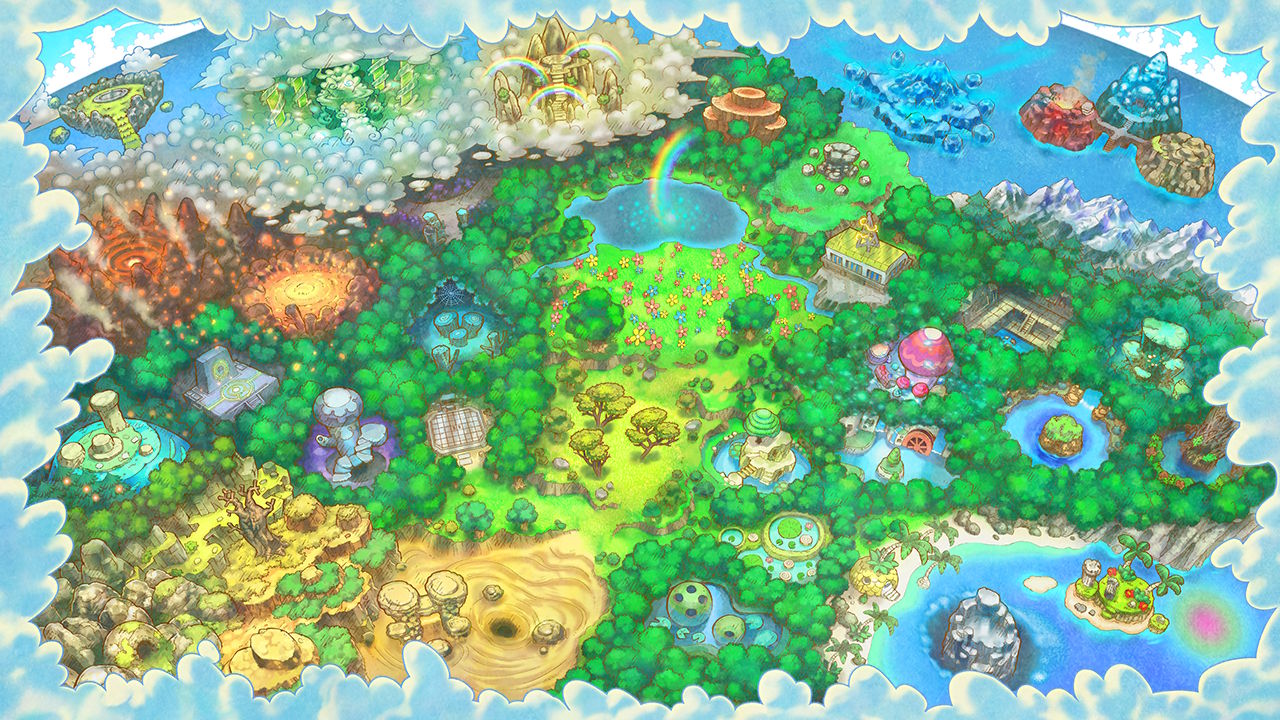
If you’ve never played a Mystery Dungeon game, here’s the pitch for this Pokémon Mystery Dungeon Red Rescue Team review: you wake up in a world with no humans, discover you are now a Pokémon, and immediately get dragged into gig work. Not “save the world” gig work at first. More like “please help, my friend got lost on floor B5” gig work. And somehow, it rules.
Red Rescue Team (the Game Boy Advance version) is the first Pokémon Mystery Dungeon. It’s also a weird little time capsule: part roguelike dungeon crawler, part Saturday morning melodrama, part “why is my partner sprinting into a monster house again.” You will get frustrated. You will also get attached to pixels with big eyes who say “Thank you!” like you just paid their rent.
What Red Rescue Team actually is
Mystery Dungeon is not a “Pokémon, but on a different map.” It’s a mission-based roguelike. You take jobs from a bulletin board or mail, walk into a dungeon with a small team, and the layout is randomly generated each time. Every action is turn-based: move a tile, use an item, throw something, use a move. Enemies act when you act, so pacing is basically chess, if chess had hunger meters and angry birds.
Before you even start, the game hits you with a personality quiz to decide which Pokémon you become. It’s charming and a little unhinged, like the developers were bored and decided to psychoanalyze children for fun. Then you pick a partner (usually a different type), form a rescue team, and start taking missions to build rank and progress the story.
The hook: kindness, but with combat math
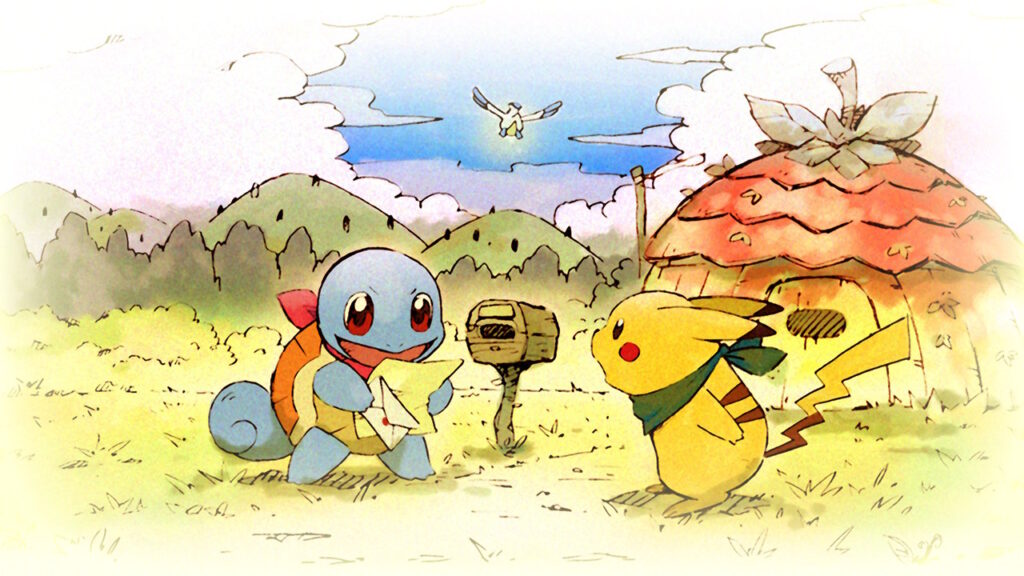
The rescue team concept does a lot of heavy lifting. The stakes feel personal early on because the game isn’t trying to impress you with legendary lore in the first hour. It’s trying to make you care about saving someone’s Caterpie, escorting a nervous client, or delivering an item before things go sideways.
And then things go sideways.
Natural disasters start hitting the world. The story gradually shifts from “local hero” to “okay, maybe the planet is mad at us,” and it somehow pulls it off without feeling like it’s trying too hard. It’s earnest in a way modern games are sometimes allergic to. That sincerity is part of why people still remember it.
Pokémon Mystery Dungeon Red Rescue Team review: the dungeon loop
A normal run looks like this:
You enter a dungeon, explore floor by floor, manage PP, items, and positioning, and try not to get worn down by attrition. You are constantly making small decisions: do you spend a turn to heal now, or gamble and push to the stairs? Do you burn your good move on a random wild Pokémon, or save it for a tougher room? Do you bring more food, or risk starving halfway through the job?
Yes, you can starve. The hunger meter is basically a soft time limit. It’s also a surprisingly effective one, because it forces you to keep moving instead of turning every floor into a full-clear loot sweep. If your hunger hits zero, you start taking damage as you walk, which is the game’s way of saying “congrats on enjoying yourself, now leave.”
Combat is classic Pokémon logic, but stripped down. You have up to four moves, you have PP, and you also have a basic attack that doesn’t cost anything. That basic attack becomes your bread-and-butter because dungeons throw enough encounters at you that blowing PP on everything is like trying to budget groceries by buying only energy drinks.
And your teammates? They’re AI-controlled with some tactics options. Sometimes they’re helpful. Sometimes they stand in a hallway contemplating the meaning of life while you get pelted by ranged attacks. It’s fine. They’re doing their best. Probably.
Recruiting and Friend Areas: the real long-term goal
Catching Pokémon is replaced by recruitment. After you defeat an enemy, it might ask to join your team. This is the part that turns Red Rescue Team into a “just one more run” machine, because suddenly every dungeon is also a shopping trip for new party members.
There’s a catch, because of course there is: in Red and Blue Rescue Team, recruits can permanently leave if they faint before making it out (especially true for newly recruited Pokémon), which adds risk to the “collect them all” urge. You also need the right Friend Area for many Pokémon, which you often buy (or unlock) as you progress. That structure is old-school, but it creates a nice sense of building a home base instead of just stuffing Pokémon into a box forever.
If you like meta-progression, this is where the game sinks its hooks in.
Wonder Mail: the password era was a choice
Red Rescue Team supports a system called Wonder Mail, which lets players share missions and rescues via passwords. In theory, it’s a clever way to trade content without modern online infrastructure.
In practice, you’ll meet the password length and briefly wonder if the game is pranking you.
It’s still a neat feature for a handheld era where “connectivity” often meant “two kids, one link cable, and a lot of patience.”
What aged well and what didn’t
Aged well
- The premise still feels fresh. Playing as the Pokémon, not the trainer, gives the world a different vibe.
- Turn-based movement makes combat more tactical than it looks at first glance.
- The tone is sincere without being sugary. It has emotional beats that land because you’ve been doing small rescues for hours before the big stuff hits.
Aged poorly
- Repetition is real. This is a roguelike loop from 2005. You will see the same tilesets and the same rhythms a lot.
- Inventory pressure can feel tight, especially when you’re carrying food to manage hunger plus items for emergencies.
- AI chaos is part of the experience. Sometimes that’s funny. Sometimes it’s “why are you like this.”
If you want the core idea with smoother edges, the Switch remake (Rescue Team DX) exists. But if you specifically want the original vibe, Red Rescue Team is the raw version, for better and worse.
Should you play it in 2026?
If you enjoy roguelikes, dungeon crawlers, or games where small decisions snowball into disaster, yes. This Pokémon Mystery Dungeon Red Rescue Team review ends up in the same place a lot of retro handheld reviews do: it’s flawed, a little stubborn, and still strangely hard to put down once it clicks.
It also helps that it’s easier to access now than “find a working GBA cart and pretend you’re not about to pay nostalgia tax.” If you have Nintendo Switch Online + Expansion Pack, it’s been added to the Game Boy Advance library, so you can play it without a scavenger hunt.
And if you’re here because Culture of Gaming is rebuilding its evergreen library: welcome back. If you want a quick detour into our other usual obsessions, here are two that are currently live: All About MTG Proxy Cards | What They Are and Where to Get Them and The Best (and Worst) Movies Based on Video Games. One of these is more likely to cause arguments at your table. I’ll let you guess which.
