
MTG state-based actions. They’re the game’s silent janitors. They don’t ask permission. They don’t use the stack. They show up, see your board state doing crimes, and immediately tidy it up.
State-based actions (usually shortened to SBAs) are the rules that handle things like lethal damage, creatures with 0 toughness, the legend rule, losing to poison or 0 life, and the special brand of token weirdness that exists solely to make you doubt reality for ten seconds.
MTG state-based actions are the invisible referee
Magic has a stack for spells and abilities. But Magic also has a separate “no, we’re not negotiating” layer where the game enforces basic reality:
- Creatures with lethal damage marked die.
- Creatures with 0 or less toughness die.
- Players with 0 life lose.
- Players with 10 poison counters lose.
- Tokens that leave the battlefield stop existing.
- Two legendary permanents with the same name under one player’s control? Pick one, the rest get binned.
None of these things “trigger.” None of these things “go on the stack.” They just… happen.
And SBAs happen constantly. Not continuously like a background process, but often enough that you’ll swear the game is watching you personally.
When do state-based actions happen?
Here’s the timing anchor that clears up 80% of confusion:
State-based actions are checked whenever a player would receive priority.
That means they’re checked:
- After a spell or ability resolves.
- After combat damage is dealt.
- Before anyone gets the “ok, now you can respond” moment.
Also, SBAs don’t just happen once. The game checks them, performs everything that applies simultaneously, then checks again, repeating until there’s nothing left to clean up. Only then do triggers get put on the stack, and only then does anyone get priority.
If “priority” still feels like a myth your playgroup invented to win arguments, you’ll want this: MTG Timing and Priority
Why you can’t “respond to it”
The phrase “i respond” only makes sense when something is on the stack and someone is getting priority.
SBAs don’t go on the stack, so there’s nothing to respond to. What actually happens in the classic heartbreak moment is:
- The thing resolves (combat damage, a spell, an ability).
- Before anyone gets priority, SBAs clean up the mess.
- Then triggers go on the stack (if anything triggered).
- Then someone gets priority.
So you can respond to:
- The spell before it resolves.
- The combat trick before damage is dealt.
- The “when this dies” trigger after the creature dies.
You cannot respond to:
- “My creature is dying now because it has lethal damage.”
- “My creature just became 0 toughness.”
- “The legend rule is happening.”
- “My token is in my hand now… can i cast it?” (no)
That’s not the stack being rude. That’s the rules doing exactly what they say on the tin.
The big SBAs you actually trip over
Lethal damage
If a creature has damage marked on it that’s greater than or equal to its toughness, the game destroys it as a state-based action. This is why “after damage, i’ll pump it” is usually not a thing.
The window to save a creature with a pump spell is before damage is dealt, not after. Combat damage is dealt, then SBAs check, then your creature goes to the graveyard, and only then do players get priority in that step.
If combat timing is the part where your brain leaves your body, this helps: MTG Combat Step Breakdown: Attacks, Blocks, Damage, Tricks
Deathtouch damage
Deathtouch doesn’t wait for the damage to “add up.” If a creature has been dealt damage by a source with deathtouch since the last SBA check, it gets destroyed the next time SBAs are checked.
Same result, same vibe: you don’t get a “between damage and death” response window.
0 toughness (the one that feels the most unfair)
If a creature’s toughness is 0 or less, it’s put into the graveyard as a state-based action. This is why shrinking effects feel like they delete things from existence.
Common gotchas:
- A creature gets hit with enough -1/-1 counters.
- A static effect drops toughness to 0 (or below).
- A creature loses an anthem effect and suddenly can’t survive its own stats.
And again: there’s no “i respond to my creature being 0 toughness.” You respond before the effect resolves, or you accept that the creature is already gone and move on to bargaining.
Life total and poison counters
Two very basic SBAs:
- If your life total is 0 or less, you lose.
- If you have 10 or more poison counters, you lose.
Important nuance: these losses happen the next time a player would get priority. That’s why effects like “you can’t lose the game” matter. They don’t stop you from hitting 0 life; they stop the SBA from making you lose when it checks.
Poison works the same way, and yes, it’s still 10 in normal games. (Two-Headed Giant has its own poison threshold, because multiplayer formats always need to be special.)
The legend rule (aka “you played the second one, so pick your favorite”)
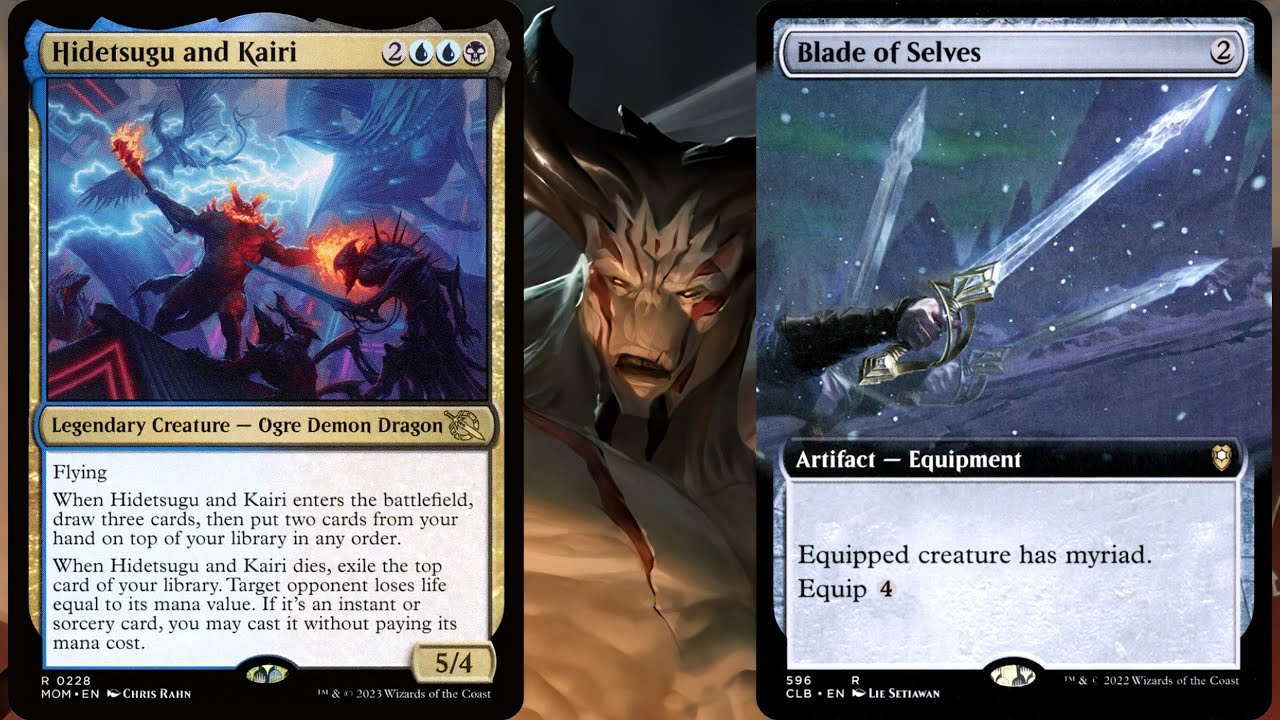
The legend rule is a state-based action: if you control two or more legendary permanents with the same name, you choose one and the rest go to the graveyard.
A few common misunderstandings:
- You don’t get priority between the second legend resolving and the legend rule happening.
- You can respond to the legendary spell while it’s on the stack, before it resolves.
- Once it resolves, SBAs check immediately, and the game makes you choose.
This is also why “legendary cloning” often reads like a prank. You do get ETB triggers (because the clone entered), but you don’t get to keep both unless something explicitly breaks the rule.
Aura and Equipment cleanup (the “rules gravity” you forget exists)
Some SBAs handle attachments that no longer make sense:
- If an Aura is attached to something it can’t legally enchant, it goes to the graveyard.
- If Equipment or a Fortification is attached illegally, it becomes unattached but stays on the battlefield.
This matters more than people think because it’s how the game prevents “illegal board states” from lingering. If the enchanted creature gains protection from the Aura’s color, or the enchanted creature leaves, the Aura doesn’t get to haunt the table forever. The game bins it.
Counters canceling out
If a permanent has both +1/+1 and -1/-1 counters, the game removes them in pairs as a state-based action.
This is one of those SBAs that quietly fixes math you didn’t want to do anyway. It’s also why some “undying/persist plus counters” situations don’t work the way people assume. SBAs do a lot of the cleanup before your triggered abilities even line up politely.
Token weirdness: the saddest afterlife in Magic
Here’s the big one: if a token is in any zone other than the battlefield, it ceases to exist as a state-based action.
This creates the classic token confusion loop:
- You bounce a token to its owner’s hand.
- It does leave the battlefield (so “leaves the battlefield” triggers can happen).
- It does hit the hand (briefly, in rules terms).
- Then SBAs check, see “token in hand,” and the token ceases to exist.
So no, you can’t cast it later. You can’t discard it for value. You can’t shuffle it into a library and live your best gremlin life. The game deletes it the moment it notices it somewhere it shouldn’t be.
Also, copies have similar cleanup rules: a copy of a spell that ends up in the wrong zone ceases to exist. The game does not want counterfeit objects wandering around unsupervised.
Commander SBAs: yes, commander damage is one of them
Commander has additional state-based actions that aren’t normally in other formats, including:
- A player who has been dealt 21 or more combat damage by the same commander loses the game.
- If a commander is in the graveyard or exile and it got there since the last SBA check, its owner may put it into the command zone.
That “may” is important. The game offers the move during SBA cleanup timing, not whenever you feel like it later.
Practical way to stop getting blindsided
When you’re about to say “i respond,” ask yourself one question:
Did anything go on the stack?
- If yes, you probably can respond (assuming you have priority).
- If no, and the game is just enforcing reality (lethal damage, 0 toughness, legend rule, poison, tokens), you’re too late.
And the real skill is learning where the last real window was:
- Before combat damage.
- Before the spell resolves.
- Before the stat change happens.
- Before the second legend hits the table.
Magic is a timing game. Sometimes the timing is “now,” and sometimes the timing is “five seconds ago, sorry.”
