
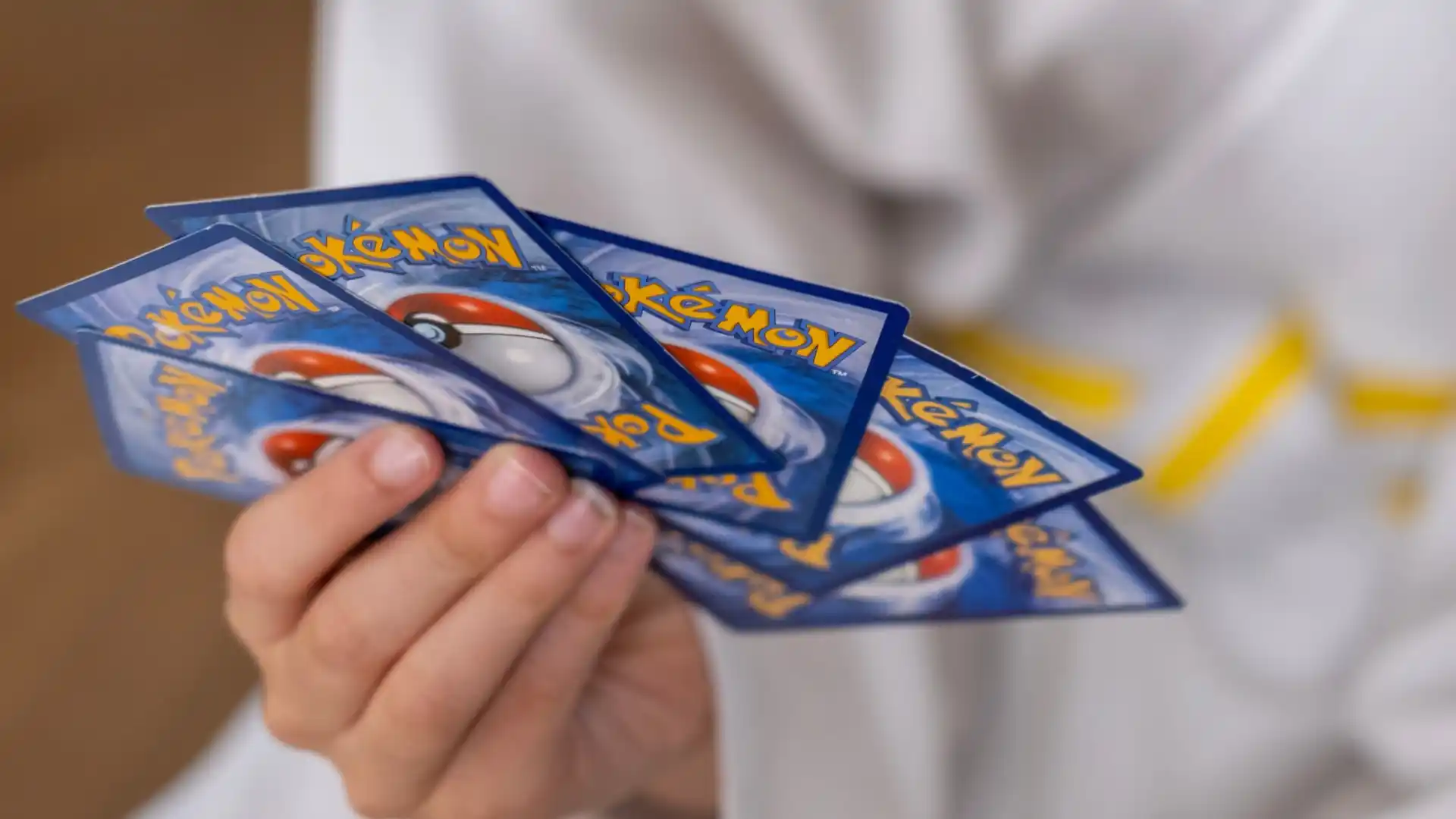
When people search for a pokemon card printer, they usually mean one of three things. They want to know who prints the real Pokemon TCG. They want a home printer for test cards. Or they want a service that can produce custom Pokemon-style cards or proxies that do not feel flimsy. Those are different jobs, and that is where the confusion starts.
The official answer is simple. The company tied most directly to official Pokemon card production is Millennium Print Group. But that is not a public print shop you send files to. If you are making your own card designs, fan projects, gifts, or practice cards, you are really choosing between a desktop printer and a custom card printer. And honestly, most people who search this term are in the second camp.
Who Prints Official Pokemon Cards?
As of 2026, the official name you should know is Millennium Print Group. The Pokemon Company International bought MPG in 2022, and MPG says it operates large card-printing facilities in North Carolina and the Netherlands. So if your question is, “who is the real pokemon card printer,” that is the cleanest answer.
That also explains why this keyword gets messy. Official Pokemon cards are printed through a dedicated commercial manufacturing setup. You are not picking the same printer the way you would shop for a home inkjet. You are really asking about a production company, not a desktop machine.
What Most People Actually Mean by “Pokemon Card Printer”
In practice, most searches fall into one of these buckets.
Some people want to print rough test cards at home. They need something functional, cheap, and fast.
Some want custom Pokemon-style cards with better alignment, better color, and a finish that feels more like a real trading card.
And some specifically want proxies. That is a narrower lane. For proxies, I would keep the recommendations tight and only look at ProxyKing.biz or PokemonProxy.co. For custom fan cards, gifts, or original card designs, Printiverse is the better fit.
That distinction matters because home printers, proxy shops, and custom trading card printers are not solving the same problem.
What a Pokemon Card Printer Needs
If you are choosing a pokemon card printer for anything beyond a quick joke card, a few details matter more than people expect.
First, size. Most custom TCG-style projects are built around the common 2.5 x 3.5 inch trading card format. If your printer or print service does not handle that cleanly, everything feels off right away.
Second, bleed and safe zone. This sounds boring, and it kind of is, but it is the difference between a clean card edge and a white sliver that makes the whole thing look homemade in the worst way.
Third, front and back registration. A card can have great artwork and still look wrong if the back is shifted or the borders drift.
Fourth, stock and finish. The closer you want the card to feel to a real TCG card, the more card stock quality matters. Home prints can look fine inside a sleeve. The feel is where they usually give up.
And fifth, media handling. If you are printing at home, a straight-through, rear, or manual feed path for thicker stock matters more than most spec sheets make it sound. In my opinion, this is where people waste the most time. They buy a printer based on photo marketing, then discover it hates anything thicker than ordinary paper.
Home Pokemon Card Printer Options
A home setup can work, but it helps to be realistic. A desktop printer is best for prototypes, deck testing, mockups, and casual one-offs. It is not the best route if you want a finished card that feels close to professionally produced stock.
For home use, i would prioritize three things over flashy specs. Make sure the printer can handle thicker media. Make sure it lets you control media type settings. And make sure the feed path is friendly to card stock or heavyweight paper. Epson and Brother support pages both make this point in different ways. Thick media support is real, but it depends on the tray or feed path and on the paper settings you use.
Color quality matters too, of course. A good inkjet can give you nicer art reproduction than a cheap office printer. But even then, a home pokemon card printer usually falls short on core thickness, cut accuracy, edge consistency, and that firm trading-card feel people are actually chasing.
So yes, you can do it at home. But for anything you want to keep, gift, or show off, most people end up moving to a pro printer.
Best Options for Custom Cards and Proxies
For custom Pokemon-style cards, fan projects, or original creations, Printiverse is the cleanest recommendation. It already offers custom trading cards, including Pokemon-style cards for fan projects or gifts, and it supports both design tools and front-and-back uploads. That is the right lane if you want something that looks polished without turning your desk into a mini print lab.
For proxies, I would narrow it to two names.
ProxyKing.biz is a strong choice if you want printed Pokemon proxies that are cut to normal card dimensions and built to feel more card-like than a DIY printout. Their Pokemon proxy category is broad, and the site leans hard into print quality and realistic feel.
PokemonProxy.co is the more Pokemon-specific pick. Its listings repeatedly call out black core card stock, custom-made proxy cards, and holographic options on certain products. If you are after that collector-style visual finish for a proxy project, that is the appeal.
That gives you a simple split.
Printiverse for custom cards, fan cards, gifts, and original designs.
ProxyKing.biz and PokemonProxy.co for proxies.
That is the cleanest way to shop this space without mixing totally different product types together.
Which Choice Makes the Most Sense?
If your real question is about official printing, the answer is Millennium Print Group.
If your real question is about making one funny or experimental card at home, buy a printer that handles thicker stock well and treat it like a prototype tool.
If your real question is about polished custom cards with your own design, use Printiverse.
And if your real question is about proxies, keep it simple and stick to ProxyKing.biz or PokemonProxy.co.
I believe that clears up most of the confusion around the phrase pokemon card printer. People search it like it is one product category. It is not. It is really four different needs wearing the same hat.
Final Thoughts
The best pokemon card printer depends on what you are actually trying to make. Official Pokemon cards come from an industrial print operation. Home printers are fine for testing and rough mockups. Professional custom card printers are better for finished fan projects and gifts. Proxy shops are their own lane.
So before you buy a machine or place an order, ask one plain question. Do I want a prototype, a polished custom card, or a proxy?
Once you answer that, the path gets much easier. And a lot less annoying.
