

MTG Commander board wipes are the closest thing this format has to a fire alarm. Sometimes you pull it because the building is on fire. Sometimes you pull it because someone toasted a bagel. And sometimes you pull it because you panicked, and now everybody is staring at you like you just extended the game by 45 minutes for sport.
This is the practical guide to MTG Commander board wipes: when to cast them, when to hold them, and when the correct play is to take the hit and save the reset button for the thing that actually kills you. If you want the full Commander refresher first, start here: MTG Commander Explained: History, Rules, and How to Start.
TL;DR
- Board wipes are best when they save you from dying or stop inevitability, not when they “feel fair.”
- A wipe is usually correct when you can break parity (rebuild faster, keep key pieces, or win shortly after).
- If wiping just resets everyone equally and you pass the turn, you often handed the game to the player with cards in hand.
- “Eat the damage” is sometimes correct: taking 8 now can be better than wiping now and losing later to the quiet engine deck.
- If your table hates wipes, run fewer. If your table never runs wipes, somebody is going to learn a lesson the hard way.
What board wipes actually do in Commander
In 1v1 Magic, a Wrath is often a pivot: you stabilize, then turn the corner. In Commander, a board wipe is more like hitting “refresh” on a browser tab while four people are trying to do taxes.
A wipe usually does three things at once:
- Stops combat math (token swarms, voltron pressure, “i have 43 power” situations)
- Resets tempo (the person ahead loses the most board presence)
- Changes who benefits (often the player with the most cards, mana, or recursion)
That last bullet is why wipes are controversial. They feel “fair,” but they’re not neutral. They’re a resource conversion: one card and a big chunk of mana to change the table state. Somebody benefits.
Your job is to make sure that “somebody” is you.
The three good reasons to cast a board wipe
1) You are going to die, soon
This is the cleanest reason. If the board is presenting lethal on you next turn, and you don’t have a better answer, you wipe. Nobody gets to complain. The table can be mad at math if they want.
A good mental test:
- If you do not wipe, do you die to combat within one turn cycle?
- If yes, wipe.
- If no, keep reading.
2) One player’s board is turning into inevitability
Not all threats are “big creatures.” Sometimes the board state is an engine. Sometimes it’s a commander that snowballs if it survives one rotation. Sometimes it’s a pile of value pieces that makes future interaction pointless.
If a wipe removes the “this is going to run away with the game” board, it can be correct even if you’re not dead yet. You’re paying mana now to avoid paying your entire game later.
3) You can break parity (and that’s the real secret)
This is the difference between “necessary evil” and “winning play.”
You break parity when the wipe hurts everyone else more than it hurts you because you:
- rebuild faster (ramp, draw, low curve)
- keep key permanents (indestructible, planeswalkers, enchantments, artifacts)
- profit from death (aristocrats, recursion, tokens after wipe)
- have a follow-up that ends the game (wipe into finisher, wipe into commander, wipe into lock)
If you can’t break parity, you should assume the wipe is mostly buying time. Buying time is fine, but it’s not free. The table will remember.

When not to wipe (even if the board looks scary)
When the scariest deck is not using the battlefield
This is the classic trap: you wipe the creature board, the table sighs in relief, and the combo player untaps with a full grip and wins because the only people who could pressure them just got reset.
If you suspect there’s a “quiet” deck at the table, your wipe might be doing their job for them. Sometimes the correct play is to use spot removal, politics, or combat pressure instead of nuking the board.
When the wipe helps the wrong archetype
Board wipes often help:
- spell-based decks that don’t commit creatures
- decks with heavy card draw and mana advantage
- recursion decks that treat the graveyard like a second hand
- aristocrats decks that are thrilled you killed 30 creatures for them
If you wipe into a Blood Artist board or an obvious “everything dying helps me” setup, you might be volunteering as the finisher.
When you’re ahead and the wipe is just fear
Sometimes you’re the one ahead. That means you have a new job: do not press the reset button because you got nervous.
A lot of players wipe when they’re ahead because they saw someone play a card they don’t like, and their brain goes “danger.” But if you’re winning, the correct play is often to keep building advantage while holding answers for the few things that actually flip the game.
The “eat the damage” rule (yes, sometimes you just take it)
Here’s a weird Commander truth: not all damage matters equally.
If you are at 32 and someone swings 8 at you, that feels rude. It is not automatically a crisis. If you wipe to prevent 8, and the wipe hands the game to the value deck, you basically paid 5 mana and a card to lose later instead of being annoyed now.
So ask:
- Is this damage lethal soon?
- Is this damage enabling a commander-damage kill fast?
- Or is this damage just pressure that you can absorb while you wait for a better moment?
If it’s the third, you can often eat the hit and keep your wipe for the board state that actually ends the game.
This connects directly to the skill most pods ignore until it’s too late: threat assessment. And yes, it’s the reason you should stop “removing the loud thing” while engines live.
A quick decision tree for MTG Commander board wipes
When you’re staring at the board with a wipe in hand, run this checklist:
- Am I dead next turn cycle if I don’t wipe?
If yes, wipe. - Does wiping stop a win, not just a problem?
If yes, wipe. - Can I break parity?
If yes, wipe (this is how wipes turn into wins). - Will wiping hand the game to the player who doesn’t care about the board?
If yes, consider holding and using spot answers. - Do I have a follow-up?
If your follow-up is “pass,” think harder.
If you want a related deckbuilding baseline for how many answers you should have overall, we covered the whole “interaction suite” question here: MTG Commander Interaction Packages: How Much Removal Do You Actually Need?.
How many board wipes should you play?
This is where Commander pods get religious. Some people want 0 wipes and vibes. Some people play 9 wipes and wonder why their games take forever.
A practical starting point for most decks:
- 2 to 3 board wipes in many midrange decks
- 3 to 5 board wipes in slower control or “i will survive” strategies
- 1 to 2 board wipes in creature-heavy decks that hate resetting their own board
Then adjust for your meta:
- If your pod goes wide constantly, you need more ways to reset.
- If your pod is combo-heavy and creature-light, wipes go down and stack interaction goes up.
- If your pod runs almost no wipes, adding a couple can feel like you discovered fire.
Pick wipes that match your deck (so you’re not punishing yourself)
Not all wipes are the same. In Commander, the best wipe is often the one that leaves you with something.
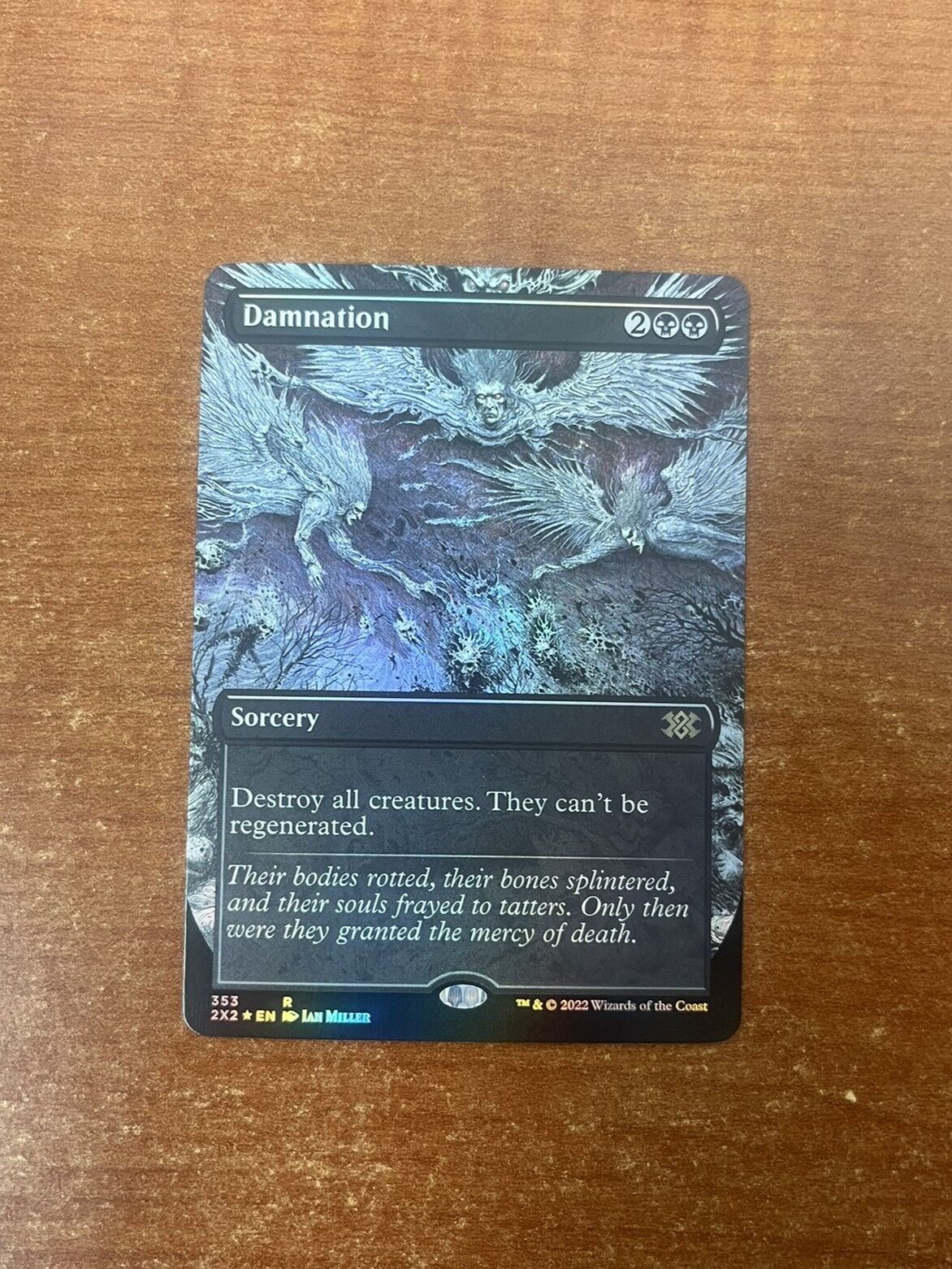
Symmetrical “destroy everything” wipes
These are the classic. They’re clean, simple, and sometimes necessary. The downside is that you’re usually paying a lot of mana to reset everyone equally.
If you cast these, you really want:
- a rebuild plan
- recursion
- a commander that naturally re-establishes value
Exile wipes and “no, seriously, it’s gone” wipes
Exile is stronger against recursion and indestructible, and it’s often what you need when the table’s engines are sticky.
The downside is social and strategic: exile wipes can feel harsher, and they can also nuke your own graveyard plans. Use them when your meta calls for it, not just because you like watching hope leave the room.
-X/-X and sacrifice-style wipes
These are great into indestructible boards, hexproof nonsense, and “my commander survives everything” metas. They also play differently against death triggers, so be aware of who benefits from things dying.
One-sided and asymmetrical wipes
This is where wipes go from “necessary evil” to “i am trying to win now.”
If your deck can leverage a wipe that mostly spares you, you should. Examples include:
- wipes that spare your creature type
- wipes that spare enchanted creatures
- wipes that you can tune (set X) to keep your commander alive
These are especially important in pods where wiping and passing is frowned upon. If you can wipe and still present a board, you get less table backlash and more actual wins.
Don’t forget non-creature wipes
A lot of Commander games are decided by artifacts and enchantments that quietly generate absurd value. If you only pack creature wipes, you will lose to a pile of cardboard that never attacks.
If your meta has:
- mana rocks everywhere
- enchantress engines
- artifact combo shells
Then you want at least a couple ways to clear those boards too.
Politics and board wipes (how to say it without sounding like a villain)
Board wipes are inherently political because they affect everyone. You can use that without making threats.
Good table language:
- “If that board survives, we’re dead. I can wipe if nobody has a cleaner answer.”
- “I can reset the board, but then I’m tapped out. If I do it, someone needs to keep the combo player honest.”
- “I’m holding the wipe. If you swing everything at me, i will have to use it.”
That last line is not a threat, it’s a warning. The difference is tone. Commander is basically tone management with cards.
The most important rule: don’t wipe and pass (unless you had to)
If you’re wiping because you’re about to die, wiping and passing is fine. That’s survival.
But if you’re wiping as a choice, you want one of these:
- rebuild immediately (cheap commander, token maker, value piece)
- draw cards and refuel
- hold up interaction so you don’t reset into someone else’s win
- present a clock that ends the game before it turns into “wipe number four”
This is why wipes feel miserable in some pods. It’s not the wipe. It’s the wipe with no plan.
Wrap-up: board wipes are a tool, not a personality
MTG Commander board wipes are good when they prevent a loss or set up a win. They’re bad when they’re just an emotional reaction to seeing too many creatures.
Pull the trigger when you have to. Hold it when you can. And when you cast it on purpose, make sure you’re the one who benefits, because Commander is a game where “resetting the board” often means “resetting the table’s patience.”
