

If you’ve ever sat down for a casual Commander game and realized half the table is playing “budget-friendly substitutes,” you already know why MTG proxy etiquette exists. Proxies are supposed to save time and money. Somehow they occasionally turn into a philosophical debate about capitalism, personal virtue, and whether your printer is “too powerful.”
Good news: you can avoid most of that. The trick is having a Rule 0 conversation that’s short, specific, and doesn’t sound like you’re cross-examining witnesses.
Also, let’s get one thing out of the way: proxies aren’t automatically the problem. Surprise mismatched expectations are the problem. Proxies are just the easiest thing to point at when everyone’s already annoyed.
MTG proxy etiquette starts with knowing what “allowed” even means
There are two different worlds here, and they do not share a border.
Sanctioned tournaments: In sanctioned play, you generally can’t show up with your own proxies and call it “casual testing.” Tournament policy is very explicit that players may not create their own proxies, and that proxies (when they exist) are typically judge-issued for specific situations like damage during the event, and only for that event.
Casual play: Your kitchen table, most Commander nights, and friend pods run on vibes and mutual consent. That’s where MTG proxy etiquette actually matters, because you’re not appealing to a policy document. You’re appealing to “can we all have a decent time.”
So before you launch into your heartfelt “proxies are morally neutral” speech, check the environment:
- If it’s sanctioned: ask the organizer or a judge, because your opinion is not a rules document.
- If it’s casual: ask the table, because your opinion is not a social contract.
If you’re playing at an LGS and you’re not sure which you’re in, treat that as the first Rule 0 question, not a fun surprise reveal after mulligans.
Rule 0 is not a court summons, it’s a weather report
Rule 0 is supposed to be a quick alignment check. Think “heads up, here’s the kind of game I’m expecting,” not “everyone please present opening statements.”
The Commander community has been saying the same basic thing for years: Rule 0 only works when it’s consensual. You don’t get to unilaterally declare new rules like you’re patching the format in real time.
A clean Rule 0 proxy chat is usually 20 seconds and answers three things:
- Are proxies okay here?
- How proxy-heavy are we talking?
- Are the decks roughly in the same universe of power and intent?
Notice that power level is its own question. A deck can be fully proxied and still be a polite midrange pile. A deck can be 100% authentic and still feel like getting hit by a forklift. Proxies don’t cause pubstomps. People cause pubstomps.
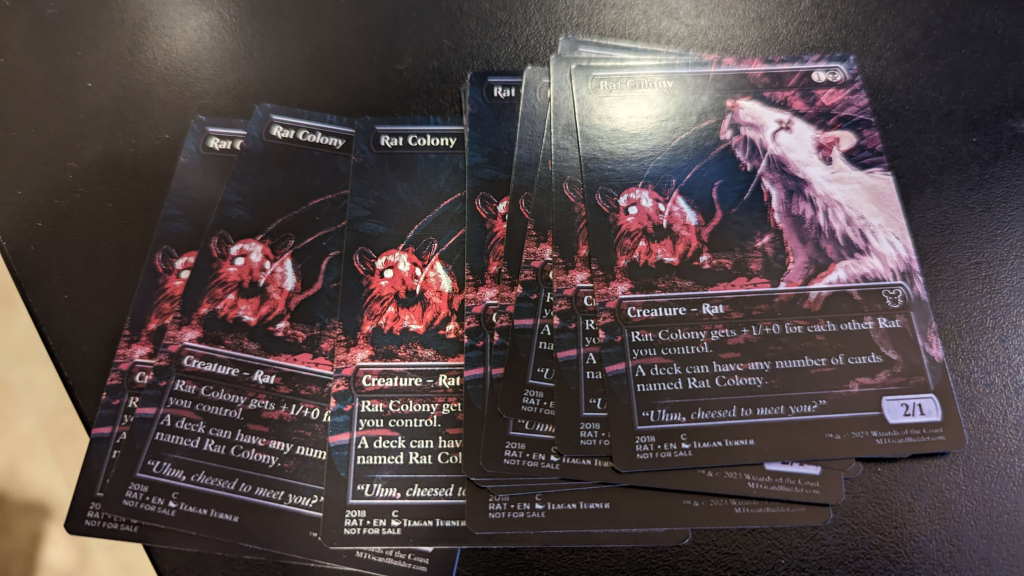
If you want a simple script that doesn’t make anyone flinch:
“Quick heads-up: i’m running some proxies in this deck. They’re printed, readable, and just for casual play. Is that cool? Also, what power level are we aiming for?”
That’s it. Short. Non-defensive. No sermon. No manifesto.
And if someone says “no,” the correct response is not to debate them into submission. The correct response is “no worries, i’ll switch decks or find another pod.”
The four proxy questions that prevent 90% of drama
Here’s what people are actually trying to learn when proxies come up. They might phrase it badly, but the concerns are usually predictable.
1) “Are your proxies readable?”
This is the underrated one. If your proxy looks like a moody art project and nobody can tell what it does from across the table, you’re creating work for everyone else. Use clear names, recognizable art if possible, and legible rules text or at least a clean oracle reference. The goal is “game piece,” not “guessing game.”
2) “Are you proxying power, or proxying access?”
Proxying access: “I want to play with my friends without taking out a small loan.”
Proxying power: “I upgraded from casual to ‘turn-three funeral’ overnight.”
Neither is inherently evil, but they lead to very different games. If your deck is basically a cEDH list with perfect fast mana and free interaction, just say that. Don’t hide behind “it’s only proxies.” The table doesn’t care if your Jeweled Lotus is real. They care that it exists.
3) “How many are we talking?”
One or two stand-ins is different from a fully proxied deck. Most pods that allow proxies are fine with either, but they want to know what they’re signing up for. If the deck is fully proxied, say so. It’s not a confession. It’s information.
4) “Are these going to be confused with real cards?”
This is the part where people get twitchy, and not always for stupid reasons. Nobody wants to normalize counterfeits entering trade binders or being sold as authentic. Good proxy etiquette makes that separation obvious: different card backs, clearly marked “proxy” on the front, or at least a style that can’t be mistaken for the real thing.
Again, you’re not on trial. You’re just making it easy for everyone to feel fine about the table they’re sitting at.
How to handle the two classic proxy fights (without becoming the villain)
Let’s talk about the two arguments that show up like clockwork.
“I paid for my cards, so proxies are disrespectful.”
This usually isn’t about disrespect. It’s about someone feeling like the “investment” part of the hobby is being dismissed.
The calm response is not “your purchase was dumb.” (Even if you’re thinking it.) It’s:
- “Totally fair. i’m not trying to devalue anyone’s collection. i just want to play the game with the group.”
Then pivot back to the shared goal: game quality. If they’re worried proxies will raise the power level, address power level directly. If they’re worried about counterfeits, show that yours are clearly marked and not tradable.
“Proxies are cheating.”
In sanctioned play, sure, that’s a real problem. In casual play, “cheating” is usually code for “this is going to get weird and i don’t trust where it ends.”
So be specific. “These are clearly marked casual proxies.” “No intent to pass as real.” “Just to test a deck.” You’re not negotiating international law here. You’re just establishing boundaries.
And if someone still isn’t comfortable, that’s fine. Not every pod has to share the same values. The win condition is finding the right table, not converting the entire store to your worldview.
A quick Rule 0 proxy chat for strangers at an LGS
Playing with friends is easy. You can say “hey, proxies?” and they’ll say “sure” while stealing your fries.
Playing with strangers is where MTG proxy etiquette needs to be a little more deliberate. The best approach is to combine proxies and power level into one short disclosure:
- “This deck has some proxies.”
- “It plays like a 6/10 midrange pile” (or whatever your group uses).
- “No fast mana / no free counters” (if that’s relevant).
- “Is everyone good with that?”
You’re trying to answer the fear underneath the question: “Am i about to waste 45 minutes in a miserable mismatch?”
If you want extra credit, bring a backup deck that’s lower power and has fewer (or zero) proxies. It’s not because you’re wrong. It’s because flexibility beats arguing.
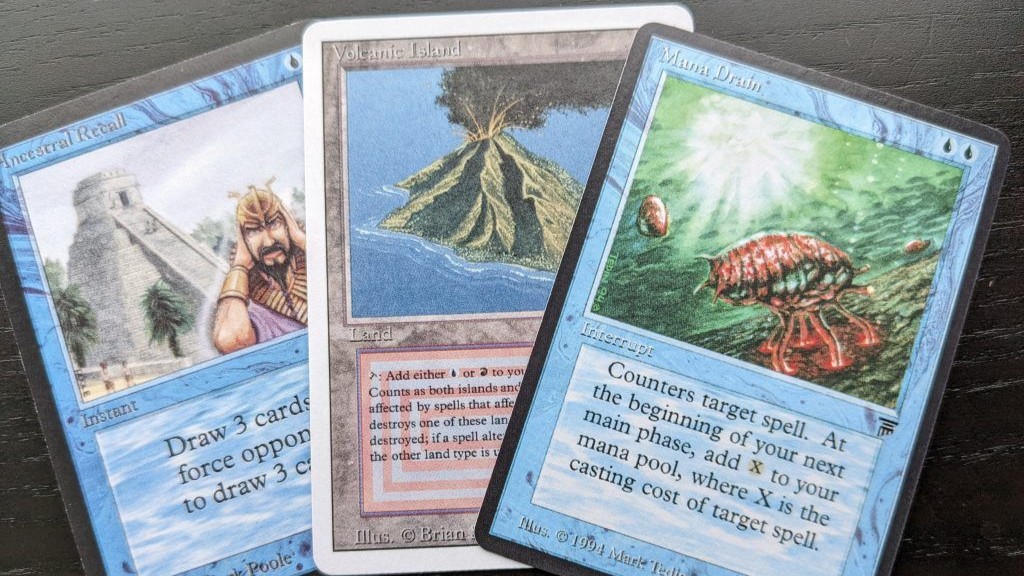
Proxies across other TCGs (yes, this is normal)
MTG isn’t unique here. Most tabletop communities have their own version of “we can’t all afford this, but we still want to play.”
- In Android: Netrunner, print-and-play has been part of the culture for a long time, and many groups treat it as normal.
- In Pokémon and Lorcana, people often proxy for testing at home even if official events require authentic cards.
Different games, same social truth: expectations matter more than paper. When players agree on the vibe, the cardboard tends to behave itself.
The goal is not “winning the proxy debate,” it’s starting a good game
A good Rule 0 proxy conversation does not end with everyone fully aligned on a grand moral philosophy. It ends with everyone shuffling up, because the conversation was short and the expectations were clear.
That’s the core of MTG proxy etiquette: don’t surprise people, don’t make the table do extra work, and don’t pretend “proxy” is a substitute for “my deck is wildly stronger than yours.”
If you can do those three things, you’ll spend less time in courtroom drama mode and more time doing what we’re all allegedly here to do: casting spells and making questionable life choices with cardboard.
